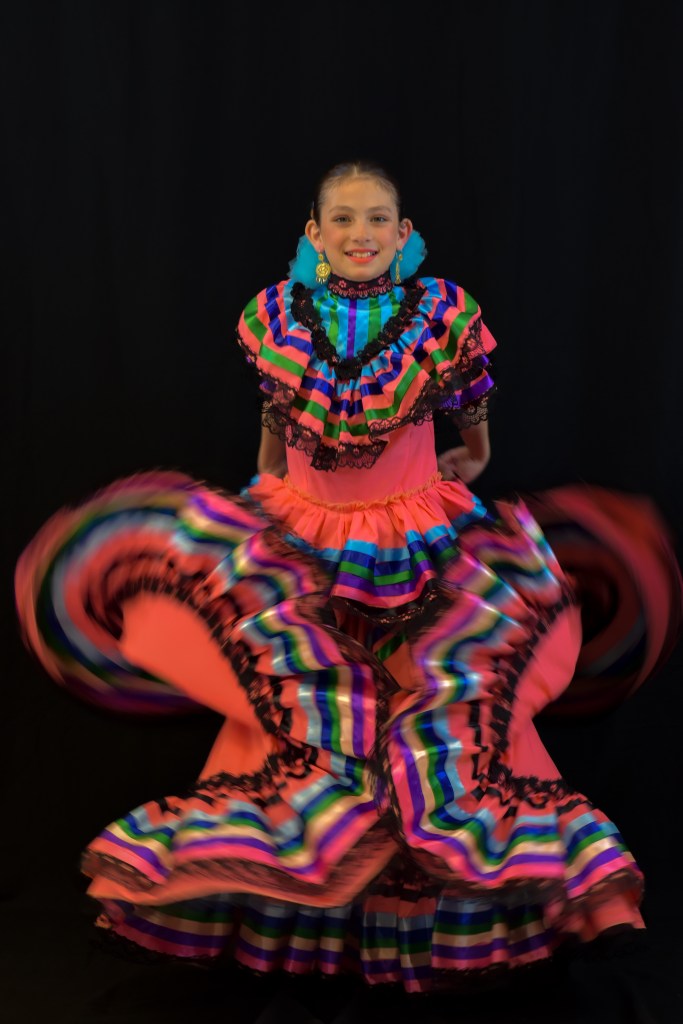
Folklorico Shoes

Photo Credit: Gabriel Licea

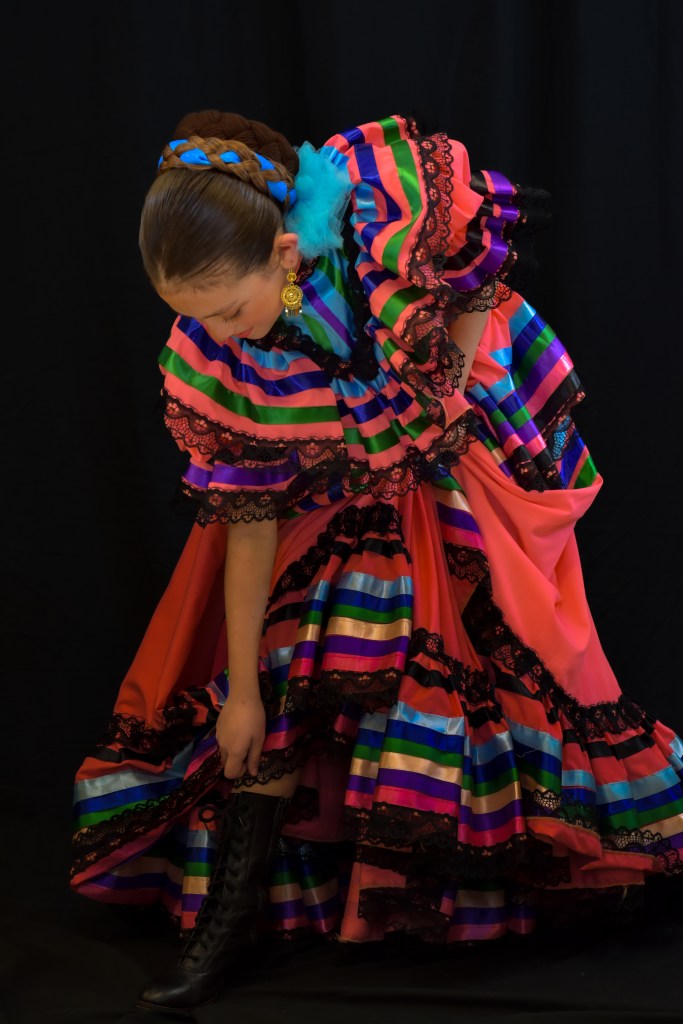
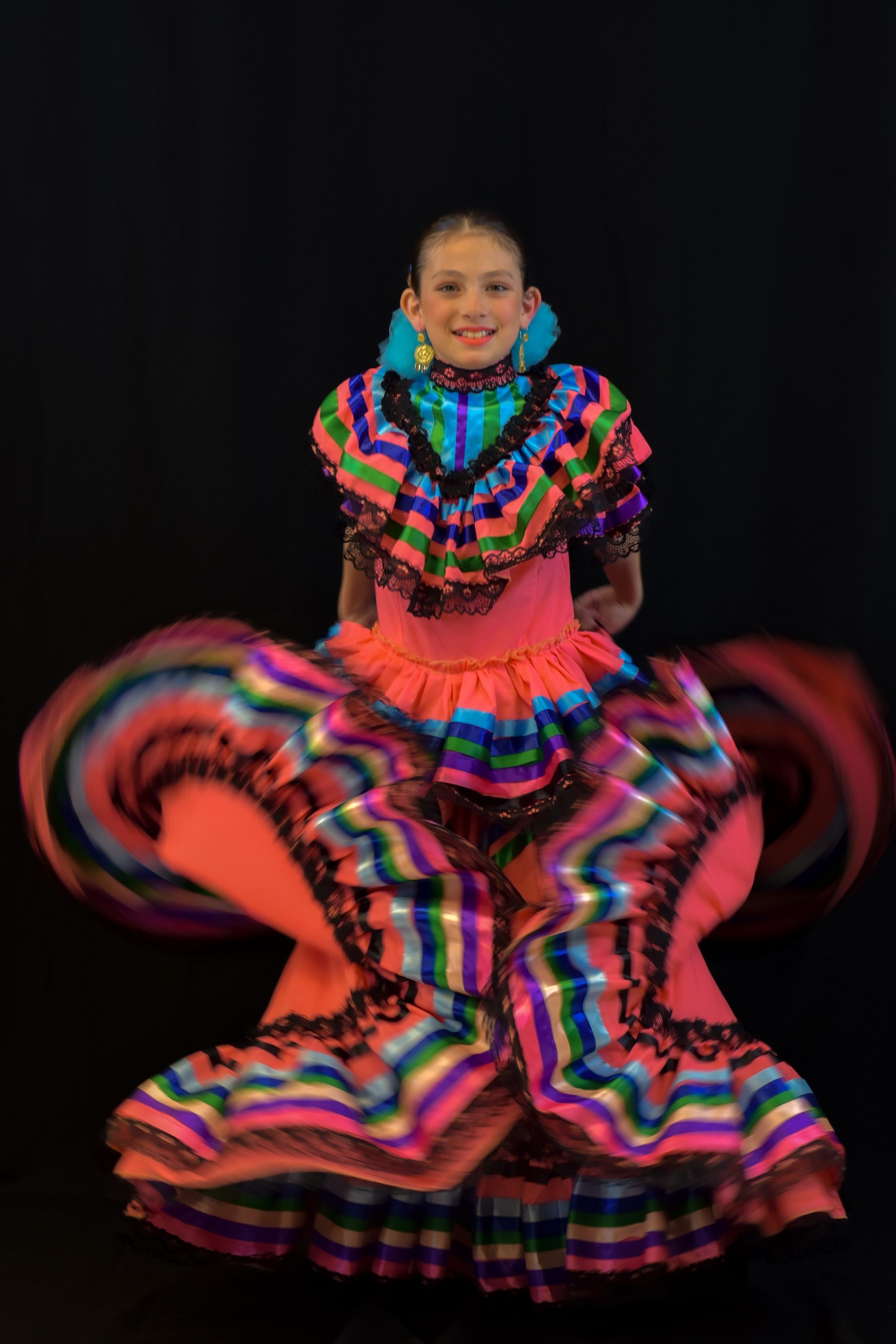
When you think of folklorico dance from Mexico, the first thing that probably pops into your head is those vibrant, colorful skirts swirling around, right? But hold up—let’s not forget about the shoes that complete this stunning ensemble! Folklorico attire is all about tradition, culture, and rhythm, and the shoes play a crucial role in that wonderful dance.

Are you ready to step up your dance game with the perfect pair of folklorico shoes? Whether you’re a seasoned performer or just starting out, having the right footwear can make all the difference in your dance experience. In this blog, we’ll review some popular options to help you find the ideal folklorico shoes and provide affiliate links to make your shopping even easier!

Folklorico shoes are typically made from leather and come in a variety of styles. Women usually sport elegant, low-heeled shoes that allow them to gracefully glide across the floor while performing intricate steps. These shoes often have a nice shine and may feature embellishments like bows or straps, making them look as fabulous as they feel. And let’s be real—comfortable shoes are a must when you’re jumping and twirling your way through a dance routine!

For the guys, you’ll find they wear boots that are more rugged but still stylish. These boots often have a slight heel, providing the stability needed for those powerful kicks and stomps. Plus, they’re usually made to last, so the dancers can keep moving with energy without worrying about their footwear falling apart mid-performance.

In summary, while the colorful skirts and blouses grab the spotlight, the shoes in folklorico attire are essential players in the ensemble. They bring rhythm to the dance and reflect the cultural heritage that makes folklorico so special. So next time you see a folklorico performance, take a moment to appreciate not just the dance but also those fabulous shoes that help tell the story!

Ready to purchase your perfect pair? Click on the affiliate links to explore these outstanding options and take your folklorico dancing to the next level!

Disclaimer: This blog contains affiliate links. If you make a purchase through these links, I may earn a small commission at no additional cost to you. Thank you for your support!

Read our review of Colonial Brand Boots

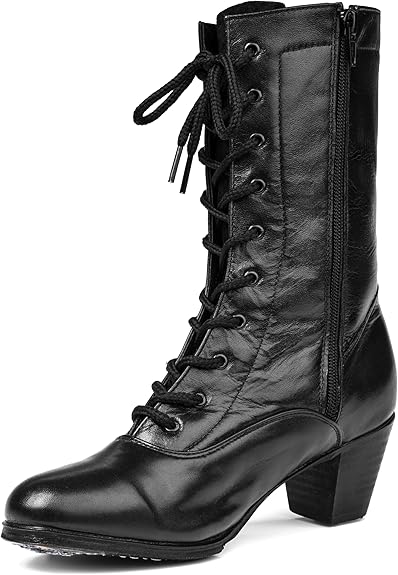
Colonial 129 Women’s Folklorico Adelita Dance Boots with Nails, 2″ Heel

The Colonial 129 Adelita Dance Boots feature a classic design with a 2-inch heel, perfect for executing intricate dance moves while maintaining stability. The boots are available in various sizes and colors, catering to a wide range of dancers. These boots outperform many others, making them my go-to for comfort and durability.

Key Features:

  • Material: Made from high-quality leather that offers durability and a luxurious look.
  • Heel Height: The 2-inch heel provides an optimal balance of elevation and comfort, suitable for dance performances.
  • Nailed Sole: The outsole features nails for enhanced grip and sound, adding to the aesthetics of the boots while ensuring you don’t slip while dancing.
  • Fit: Designed to hug the foot comfortably, providing support during vigorous movements.
  • Stylish Design: The classic aesthetic enhances traditional folk costumes, making them appealing for both professional and recreational dancers.
  • Excellent Traction: The nailed sole provides superior grip, which is essential when executing turns and spins.
  • Durable Construction: Made from high-quality materials, these boots are built to withstand regular use, making them a long-lasting investment.
  • Break-In Period: The boots do require a break-in period before achieving maximum comfort, however, it’s faster than other brands.
  • Due to their high-quality materials, these boots can be resoled and restored after some wear, which can make these boots last for a long time! At Ballet Folklorico Canela, some students have resoled and restored these boots and have been able to use them over 3 years. If there is a professional cobbler near you, this investment is worthwhile!

Final Thoughts

If you’re in the market for folklorico dance boots that look good and perform well, the Colonial 129 Adelita Dance Boots are worth considering. Be sure to pay attention to sizing suggestions and allow time for break-in if you’re preparing for an upcoming dance event.

Whether you’re dancing in competitions, performances, or simply enjoying folklorico dance for fun, these boots will serve as a reliable option for your dance wardrobe.

Disclaimer: This blog contains affiliate links. If you make a purchase through these links, I may earn a small commission at no additional cost to you. Thank you for your support!

Purchase Link

Ready to add these boots to your collection? Check them out here: (https://amzn.to/3C6DbqJ)

Cultural Heritage Woven in Fabric: Folklorico Outfits

Photo Credit: Gabriel Licea

Folklórico attire is like a vibrant celebration that you can wear! Originating from traditional Mexican folklore, these outfits are bursting with vivid colors, culture, and history. When you think of Folklórico, the first images that likely spring to mind are beautiful dresses for women and the stylish charro suits for men.

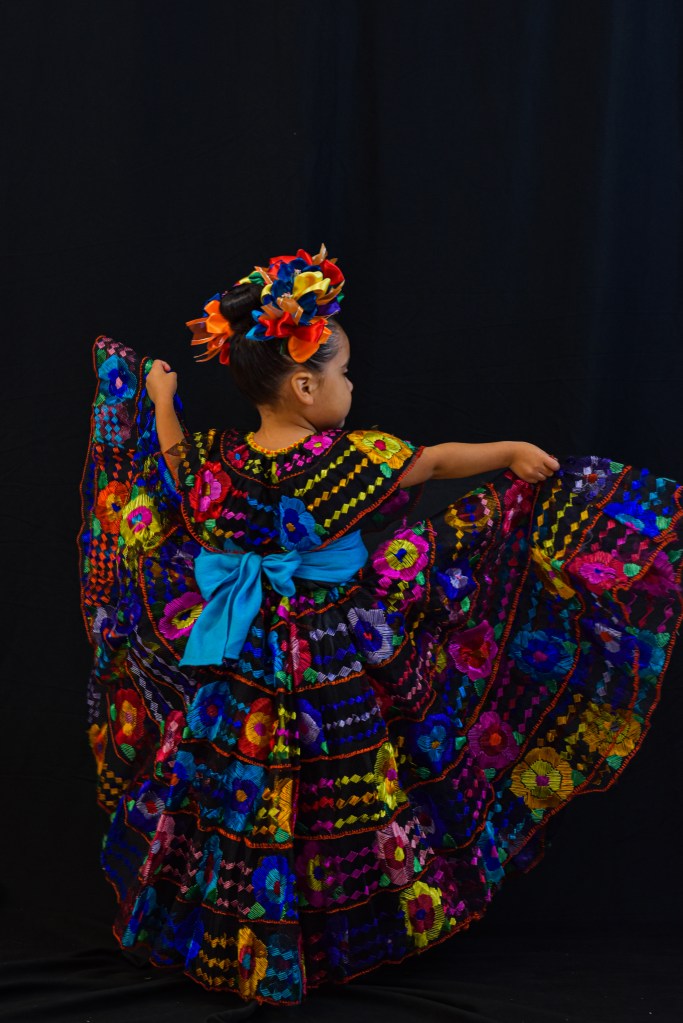
The women’s dresses, or “trajes,” are often long, flowing, and adorned with intricate embroidery and ribbons. You’ll see a rainbow of colors, from bright reds and yellows to deep blues and greens, each symbolizing various aspects of Mexican culture. These outfits often feature ruffled skirts that swirl rhythmically during traditional dances, making the performance even more captivating. To top it all off, women usually wear their hair in braids, decorated with flowers or colorful ribbons, depending on the state of Mexico they are performing—talk about a personal touch!

Men’s attire is equally impressive. The charro suits, typically made of high-quality fabric, sport finely embroidered jackets and fitted trousers. They may also come with wide-brimmed sombreros. The outfits embody both elegance and masculinity, representing the proud heritage of Mexican ranchers and rodeo culture.

Folklórico attire isn’t just for the stage. It’s worn during festivals, parades, and special occasions such as weddings, serving as a reminder of Mexico’s rich history and diverse regional cultures. Each state has its own unique style, showcasing local traditions, crafts, and identities.

So, whether you’re watching a colorful folklórico dance performance or just appreciating the artistry of these outfits, Folklórico attire is a fabulous way to experience the lively spirit of Mexico. It’s like entering a joyful world where every twirl and step tells a story of passion, pride, and a deep connection to heritage. Next time you see it, take a moment to appreciate the beauty and significance behind those stunning garments!

Stay tuned for our in-depth analysis of outfits for several sates of Mexico!

by Abigail Hernandez

6 Facts You Must Know About Folklorico

Folklorico: A Celebration of Mexican Cultural Heritage

Folklorico, also known to many as Ballet Folklorico, or Folklorico Mexicano, is a traditional Mexican dance form that vividly showcases the country’s diverse cultural heritage. This dynamic art form intricately weaves together influences from indigenous, European, and African cultures, resulting in a rich tapestry of movements and styles that reflect the history and traditions of Mexico. As both a performance art and a means of cultural expression, Folklorico encapsulates the spirit of the Mexican people.

One of the most striking aspects of Folklorico is its colorful and symbolic costumes. The attire worn by dancers varies significantly based on regional traditions and the specific dances performed. Each costume is a work of art itself, adorned with intricate details and embellishments that illustrate the unique cultural identity of the region it represents. Such costumes are not merely decorative; they embody the traditions, stories, and history of the communities from which they originate.

Additionally, Folklorico encompasses a diverse array of dance styles, each reflecting the distinct traditions of different regions within Mexico. For instance, the spirited footwork of Jalisco’s “Jarabe Tapatío” (the Mexican Hat Dance) and the graceful movements of Veracruz’s “La Bamba” demonstrate the varied rhythms and narratives that comprise Mexican folkloric dance. The music accompanying these dances is equally enriching, featuring a fusion of indigenous rhythms and Spanish melodies that create a vibrant and captivating soundscape. Genres such as mariachi and banda add energy and depth to the performances, reinforcing the storytelling central to Folklorico.

Moreover, Folklorico plays a pivotal role in preserving Mexican cultural heritage. Through dynamic choreography, vivid costumes, and stirring music, it serves as a powerful vehicle for cultural transmission. Not only does Folklorico honor the traditions of the past, but it also fosters a sense of pride and unity among Mexicans, regardless of their geographical location.

In recent years, Folklorico has transcended national borders, gaining international recognition and popularity. Its infectious energy and rich storytelling have captivated global audiences, earning the dance form a respected place in the world of performing arts. Whether presented in local festivals or showcased on international stages, Folklorico delights audiences with its exuberance and emotional depth.

In conclusion, Folklorico stands as a vibrant testament to Mexico’s rich cultural tapestry. With its colorful costumes, lively music, and intricate footwork, it embodies the essence of Mexican heritage. By examining its history and significance, one gains a deeper appreciation for Folklorico as both an art form and a means of cultural preservation. Ultimately, Folklorico invites audiences around the world to celebrate the beauty, vitality, and resilience of Mexican culture.

Key Takeaways:

Here’s a brief outline that highlights six essential facts about this traditional dance form:

1. Historical Origins

  • Folklorico has roots in the indigenous cultures of Mexico, with influences from Spanish colonial traditions. It reflects the cultural fusion that occurred in the region over centuries.

2. Regional Variations

  • There are numerous regional styles of Folklorico, each unique to different states in Mexico, such as Jalisco, Veracruz, and Chiapas. Each style represents the local customs, music, and dances that reflect the community’s history.

3. Costumes and Attire

  • The costumes are vibrant and often hand-crafted, featuring traditional fabrics and designs specific to each region. The attire plays a crucial role in representing cultural identities and historical narratives.

4. Musical Accompaniment

  • Folklorico is typically performed to live music, which can include traditional instruments like guitars, violins, and marimbas. The music varies by region, enhancing the dance’s emotional impact and storytelling.

5. Cultural Significance

  • More than just a dance, Folklorico serves as a means of preserving and celebrating cultural heritage. It allows communities to express their identity, history, and values, often performed during festivals and cultural events.

6. Global Influence and Adaptation

  • Folklorico has transcended borders, inspiring performances worldwide. Dance schools and companies outside of Mexico incorporate Folklorico into their programs, adapting and celebrating its essence globally.

This captivating art form continues to thrive, showcasing its ability to unite communities and celebrate rich cultural legacies. Would you like to dive deeper into any specific aspect of Folklorico?

by Abigail Hernandez
Bio

“I am a dancer. I believe that we learn by practice. Whether it means to learn to dance by practicing dancing or to learn to live by practicing living…” — Martha Graham

https://everydaypower.com/martha-graham-quotes/

The vibrant and captivating art of Mexican Folklorico dance comes to life through the passion and dedication of Ballet Folklorico Canela, founded in September 2012 by Abigail Hernandez. Over the past 10 years, the group has flourished, supported by a dedicated team that has contributed to its growth and continuity.

Ballet Folklorico Canela has been an integral part of significant community events in Solano County, including the annual celebrations of Hispanic Heritage, the 2019 International Multicultural Folk Festival promoting Sister City Diplomacy, the yearly Solano County Fair, Breast Cancer Awareness events, and various others. Collaborating with other organizations, the group actively promotes multiculturalism in Vallejo and its surroundings, enriching the cultural tapestry of the region.

The group’s repertoire is a testament to the Director’s profound research of Mexican folklore in Mexico and around the world. By adapting traditional folkloric dance to modern times and passing on this rich heritage to new generations, the group strives to promote Mexican cultural diversity in Solano County.

Abigail Hernandez’s journey with Mexican Folklorico began at the age of 5, igniting a lifelong passion for this expressive art form. Her extensive experience includes participation in the Danzantes Unidos Festival in Fresno as a student, where she honed her skills and knowledge as an instructor. Through continuous participation in workshops and learning from professionals in the field, Abigail remains committed to expanding her expertise in Mexican Folklorico.

Ballet Folklorico Canela warmly welcomes new students year-round, offering registrations through the Greater Vallejo Recreation District as well as in a shared, private dance studio. Weekly classes provide students with the opportunity to delve into the technique and historical significance of these enchanting dances, fostering a deep appreciation for the rich cultural traditions they embody.